There are people who have always seen things differently.
Sensing what others miss, asking questions that make rooms uncomfortable, and carrying a weight they cannot fully explain, a burden for truth, for people, for things that have not yet come to pass. And for most of their lives, people around them insisted something was wrong with them.
Nothing is wrong with them. They are simply walking in a calling they have not yet found the language to name.
Prophetic identity is the understanding that God calls a person to discern truth, communicate it responsibly, and help others return to spiritual alignment. It is a posture before it is a platform. A way of seeing before it is a way of speaking.
What Is Prophetic Identity
It is worth clarifying what this calling actually involves, because many people use these terms interchangeably when they mean different things.
The gift of prophecy, as described in 1 Corinthians 12, is a spiritual gift available to believers for edification, encouragement, and comfort. A prophetic calling refers to a sustained, God-given assignment to speak truth into specific people, communities, or seasons. The office of a prophet, as seen in Ephesians 4:11, is a recognized ministry role within the body of Christ.
Prophetic identity sits beneath all three. It is the foundational understanding that God has shaped a person, from before birth, to carry and communicate truth in a way that is specific to their design.
As Kevin Zephaniah writes in Unapologetic, Chapter 4:”The prophetic mind does not manufacture revelation. It receives it. It is not louder than others. Quieter within itself, this mind trains to hear what the noise of the world covers up.”
Jeremiah 1:5 establishes this clearly. Before God formed Jeremiah, He already knew him. Before he was born, God set him apart. That appointment did not begin with Jeremiah’s decision. It began with God’s design.
Why Prophetic People Feel Different
People walking in this God-given assignment often describe a lifelong sense of not quite fitting the spaces around them. Not because they are antisocial or difficult, but because God built them to notice what others normalize and feel the weight of what others dismiss.
That kind of depth is a gift. But in environments that reward conformity, it can feel more like a burden.
However, feeling different or spiritually sensitive does not automatically confirm a prophetic calling. Test such experiences through Scripture, prayer, mature counsel, and consistent spiritual character. Sensitivity alone is not the confirmation. Fruit, over time, is.
As Kevin Zephaniah writes in Unapologetic, Chapter 4: “The prophet is not the loudest voice in the room. He is the most rooted. His authority does not come from volume. It comes from depth.”
Signs You Have a Prophetic Calling
Signs of this calling are rarely dramatic. They show up in the ordinary details of life.
A deep discomfort with dishonesty, even when everyone around you has accepted it as normal. An ability to sense shifts in atmospheres that others cannot explain. Prayers that are less about asking and more about listening. A persistent sense of specific purpose that will not go away no matter how many times you try to quiet it.
These signs point toward something real. But they are starting points for discernment, not conclusions on their own.
Why Most People Fear This Calling
Most people who carry a prophetic calling spend years running from it. Not because they doubt God, but because they doubt themselves.
The fear is about cost. Prophetic voice has historically been unwelcome in comfortable spaces. Jeremiah 20:9 captures this honestly. Jeremiah tried to stay silent, to go quiet, to stop speaking. But the calling burned like fire in his bones. He could not contain it.
That tension is familiar to anyone walking in this spiritual role. The pull to stay silent is real. The fear of being misunderstood is real. But divine purpose never shrinks to fit the comfort of spaces that could not contain it.
How to Walk in Prophetic Identity Without Losing Yourself
Walking in this calling requires three things above everything else.
Rootedness. Know who you are before you open your mouth. Prophetic voice that lacks grounding in identity becomes performance. A person who carries a genuine God-given assignment does not need the validation of the room to know what they have heard.
Discernment. Learn to separate what God is saying from what your own wounds, fears, and desires are saying. Not every strong impression is a word from God. Develop this distinction through time, Scripture, honest community, and a genuine willingness to accept correction.
Patience. Prophetic calling rarely unfolds on the timeline a person expects. What feels like delay is often development. The waiting is not punishment. It is preparation.
As Kevin Zephaniah writes in Unapologetic, Chapter 8: “Silence sharpens the prophetic voice. Isolation tests it. And the fullness of time releases it, not the urgency of impatience.”
The Weight and the Gift
There is a reason this calling feels heavy. A person assigned to carry truth in a world that prefers comfort will always feel the tension of that assignment. The weight is not a sign that something is wrong. It is confirmation that what you are carrying is real.
The same sensitivity that makes you feel things deeply is what allows you to hear what others cannot. The same depth that makes rooms uncomfortable is what gives you access to insight that shifts atmospheres and speaks life into people who have forgotten who they are.
1 Corinthians 14:1 encourages believers to eagerly desire spiritual gifts, especially prophecy. That instruction is not an invitation to chase a title. It is an invitation to steward what God has already placed inside you, with honesty, humility, and the courage to stop running from what has been following you your entire life.
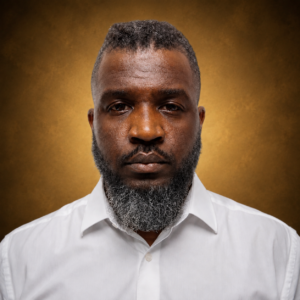
Explore Kevin Zephaniah’s books, read Unapologetic on Amazon, or learn more about his journey as an author and mentor.
Frequently Asked Questions
Q1: What Is Prophetic Identity in Simple Terms?
Prophetic identity reflects the God-given design of a person whom God calls to discern truth, communicate it responsibly, and point others back to spiritual alignment. It is not a title or a platform. It is a foundational understanding of how God shaped a specific person, before birth, to carry and express truth in a way unique to their calling.
Q2: What Are the Signs of a Prophetic Calling?
Signs include a deep discomfort with dishonesty, sensitivity to spiritual atmospheres, prayers oriented toward listening rather than asking, and a persistent sense of specific purpose. These signs are starting points for discernment, not automatic confirmation. Always test them through Scripture, prayer, and mature spiritual counsel.
Q3: Why Do People Called to This Assignment Feel Like Outsiders?
People with this calling may feel isolated because they question patterns that others accept without examination. Do not treat that experience as proof of a calling, but let it become part of a broader process of spiritual discernment.
Q4: How Do I Begin Walking in My Prophetic Calling?
Start with rootedness. Know who you are in God before attempting to speak for God. Develop discernment through Scripture and honest community. Focus on character and spiritual maturity before seeking visibility or influence. Practice patience with the timeline. Build the foundation before focusing on the function.
Q5: Where Can I Learn More About Prophetic Identity and Calling?
Kevin Zephaniah explores these themes in depth in Unapologetic: Becoming Who You Already Are, available on the official website and on Amazon.
